
My portfolio showcases unique productions by raising issues, awareness, and curiosity on Mental Health through an engaging digital outlet of media sources.
Inquiries to Consider:
How can we move beyond static conversations around Mental Health?
How can pop culture help advocate and help people identify around topics of Mental Health?
What does it mean to normalize Mental Health issues in our society today?
Does media play a positive or negative influence in addressing Mental Health?
The Joker

“We are constantly reminded in education that the mastery of the tool itself is not the outcome but how we use it” (Rowsell & Walsh, 2011).
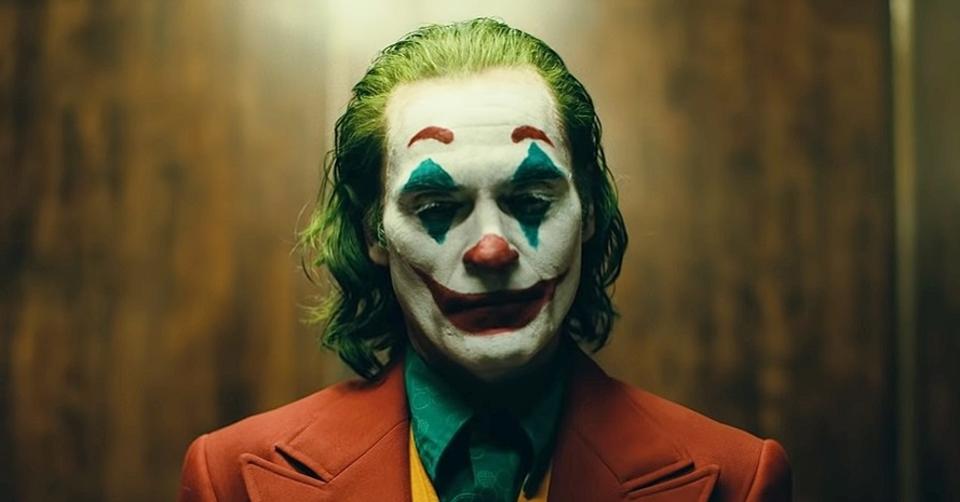
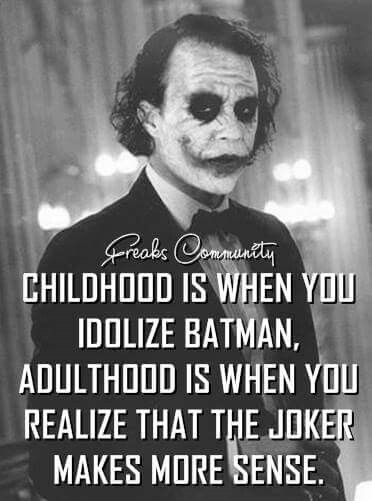
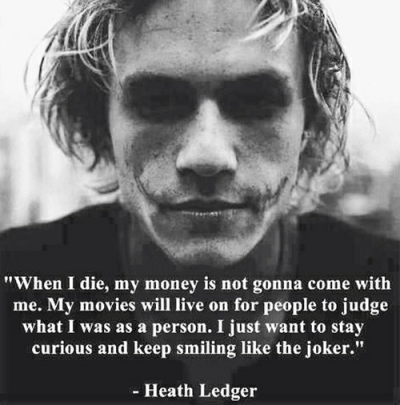
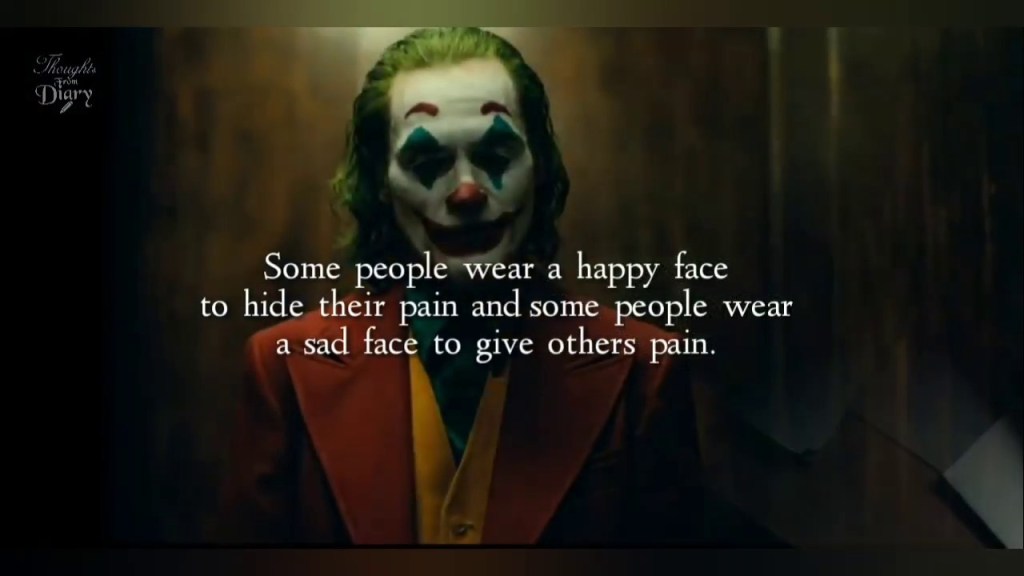
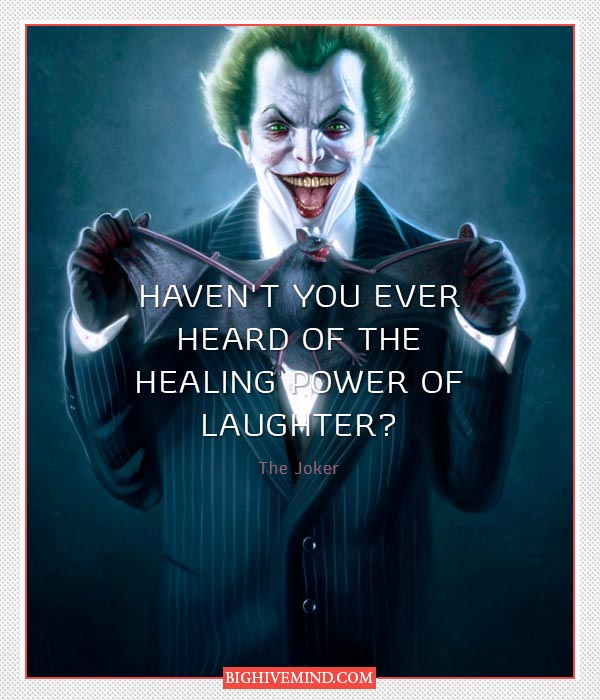
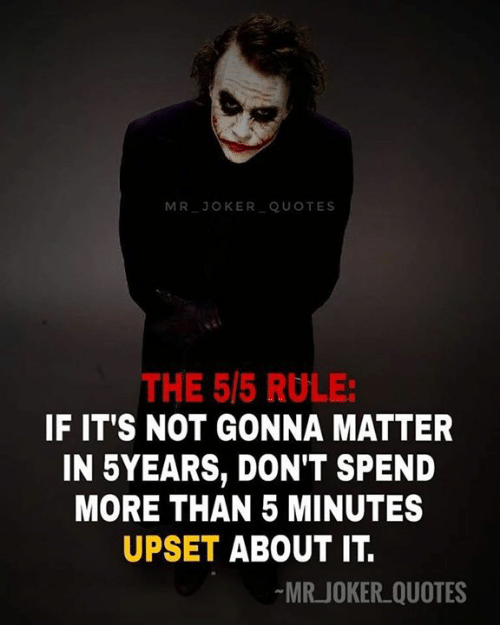
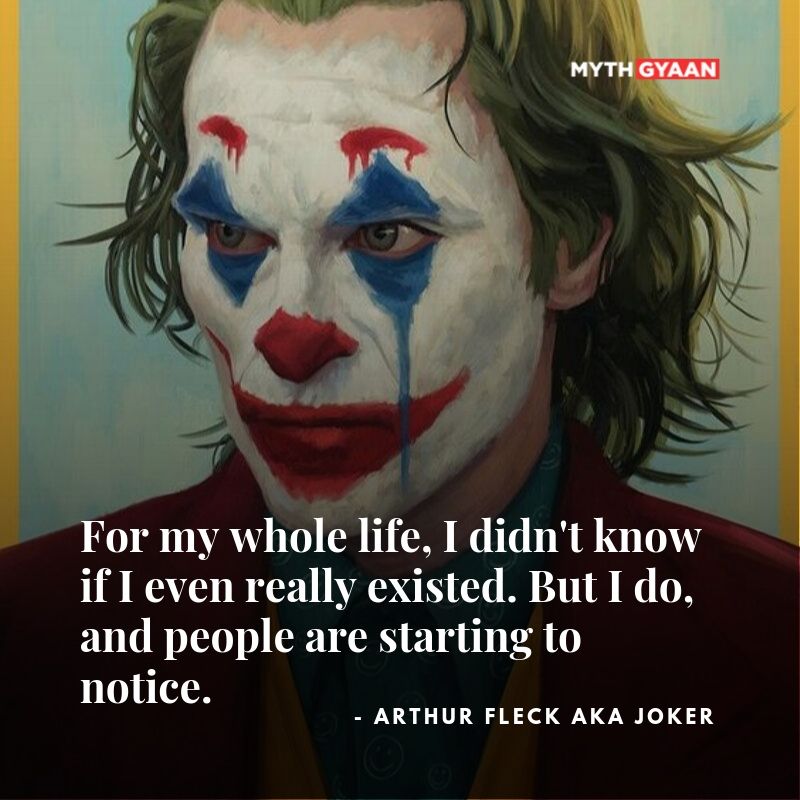
The Joker is a contemporary prevalent icon among adolescents that many young people follow to find meaning and purpose in their lives. In the context of the Joker, many teens find it to difficult to perceive the character as a protagonist or antagonist. The Joker in the scope of the fictional and DC comic world is a masked clown supervillain, psychopath, narcissist, and schizophrenic who causes havoc and strives for an anarchist society. In reality, the Joker character is glorified for his heroism in overcoming; adversity, stigmatism, and condemnation that society pitfalls him in. Thus, it is safe to say there is more than what meets the eye with the Joker, the keyword showcases the Joker as a complex character that questions our inner struggles and underlying issues that we encounter on a day to day basis. Nevertheless, the Joker acts as a springboard in creating conversation around realistic uncomfortable dilemmas in the realm of adolescence and health. Hence, it is critical to adolescent development and is done by expanding our horizon through pop culture figures like the Joker.
The Joker character depiction serves as a central concept to mental health by paying tribute to people suffering from mental illnesses. Moreover, the Joker in its latest release addresses the societal pressures to fit in when faced with disabilities. Furthermore, the persona of the Joker is a representation of the one in five people that live with mental illness in North America battling with depression, suicide, drug addiction, and anxiety to name a few. More importantly, the Joker is an outlet for teens to sympathize with despite being marginalized, underprivileged, disadvantaged, or rejected in this bizarre world we live in. In addition, the Joker character is coined off the idea of experiencing one bad day as a jumpstart to living an eternally miserable life. Thus, the Jokers notion of ‘living one bad day’ can be studied as a framework of mental health that young people experience during the time of adolescence and believe to be true about their existence when dealing with a negative outcome. It is imperative to understand the study of the Joker character as a pedagogical view to shed light on mental health in a positive manner and strive towards destigmatization that many teens fear to express which leads to health implications. Therefore, the Joker is an agent of change imposing teens to break through sensitive barriers and is an essential character study to the course in terms of health.
Adolescents range on a spectrum of teens ‘going through it’ from a violent, depressed, happy, or even curious state of mind prompting the need to find answers to attain purpose in life. The Joker serves as an answer in the adolescence culture that teens idolize by identifying with the ordinary problems common to both like being; shunned, bullied, failed, depressed, and outcasted thus, normalizing these feelings. The Joker character and films deliver a key message that is central to the course by acknowledging adolescence as a difficult transitional period that contribute to the development of adolescents; sexually, physically, and psychologically. New vantages can be explored due to the impact the Joker plays, linking adolescent behaviours to present events unfolding in our societies today. Teens perceive the Joker as a channel to build confidence and are fascinated making irrational decisions and using the icon to justify actions like mass shootings. Hence, adolescence is described as a time encompassing risk-taking behaviour to achieve understanding of oneself that teens project onto the Joker to seek solace, pleasure, and reward. ‘The Joker’ further advances the study of adolescence by sparking conversations through other pop culture depictions like, 13 Reasons Why and The Outsiders that many adolescents resonate with. Ultimately, the Joker aids to the study of adolescence by implementing proactive support systems much needed by teens such as; Bell Lets Talk, CAMH, and Victim Services that were not accessible decades before or spoken of.
To learn more about the Joker in terms of adolescence, health, and characteristics check out the following sources:
Academic Source: This journal article gives an overview of the Jokers motives that can be contrasted with public outbreaks and the influence the Joker character plays on the audience causing an identity crisis. https://scholarsarchive.byu.edu/cgi/viewcontent.cgi?article=1041&context=criterion
Non-Academic Source: This blog post provides a psychological view of the Jokers tendencies that are innate to the human nature and as well as linking it with mental health. https://medium.com/@adityavats/understanding-joker-a-psychological-view-90da73bfd557
Minecraft aka MINDcraft
Storytelling practices persist because they are meaningful to those who produce and consume them, because they satisfy our sense of what it means to be a human living in a particular cultural context – Henry Jenkins Voices for a New Vernacular: A Forum on Digital StorytellingInterview with Henry Jenkins (2017).
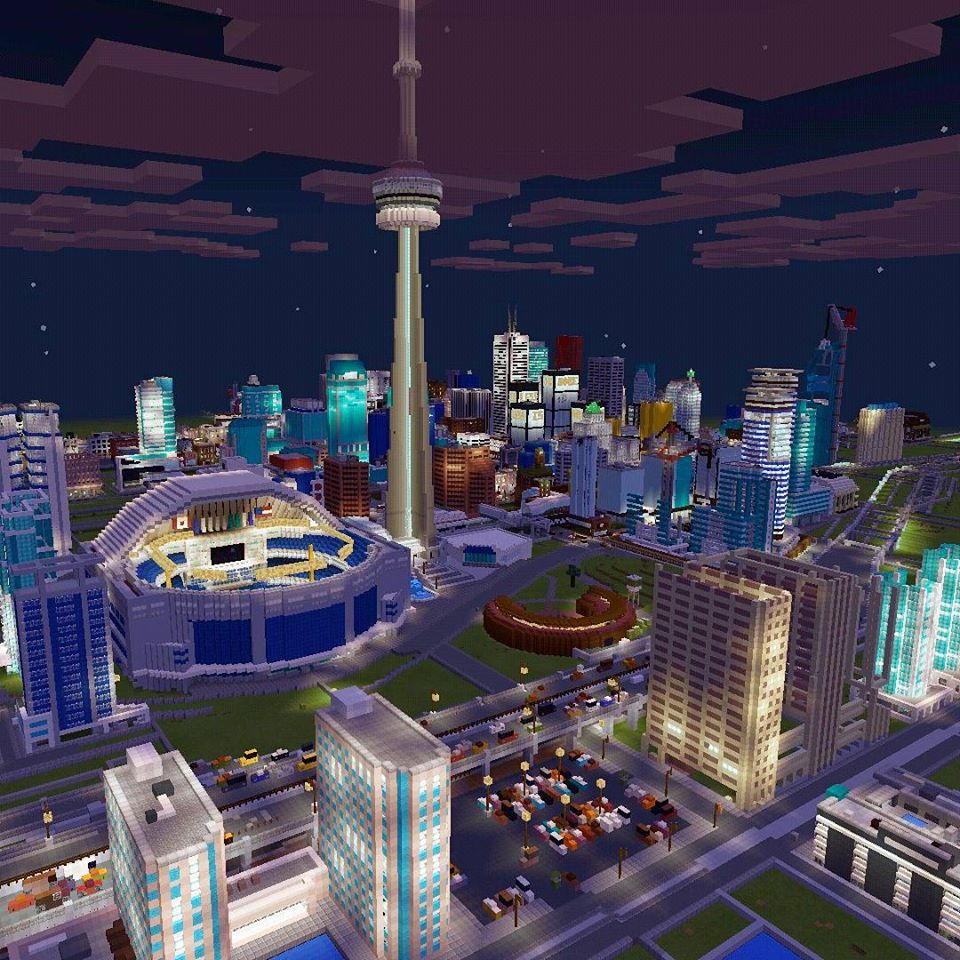
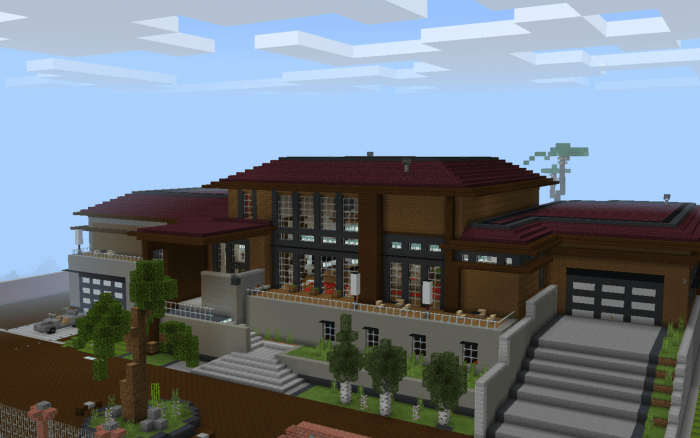
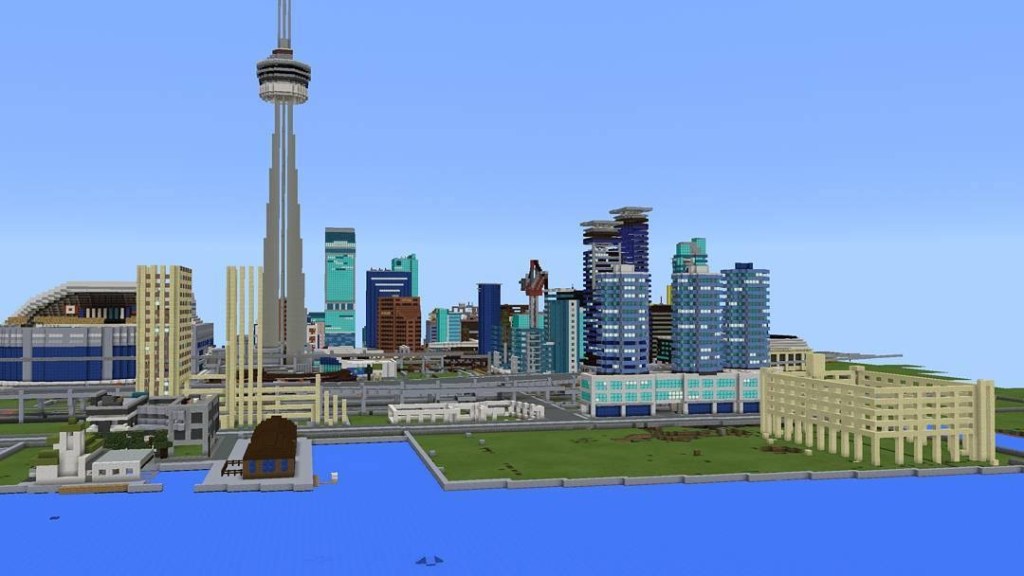
Minecraft is an open world action-adventure game designed for a players imagination to run wild. The game allows players to create an environment or dimension in the users control and liking. Players can invent objects from scratch using blocks of various material. It is a game where you can create your own path to no mans land and tell your story one block at a time with friends, family, or even companions. Simply, Minecraft is a way to express ourselves by crafting our minds in ways unimaginable. It is an outlet to live our reality through digital story telling on a gaming platform.
In regard to Mental Health, the significance of Minecraft is it provides an opportunity for users to live out moments, feelings, or anxieties of life in a 3-Dimensional game. The idea is to build confidence, skills, and identity that we can live with in a satisfied manner eternally. The game is meant to bring the good out of us and raise our spirits by accomplishing tasks that may seem difficult in our lives. The simple tasks or goals set in Minecraft can inspire determination instilling the idea; if you cannot do the little things right in life, you can never do the big things right. Also, social skills for people struggling to fit in, Minecraft connects users with the same goal; to build, explore, and imagine making it less daunting. Players struggling with anxiety or phobias can eliminate the fear by removing the face to face interaction and instead starting small by communicating online.
Lastly, the calm music, peacefulness, and uncomfortable settings can help cope with pressures of depression. The game beautifully integrates instrumental music to soothe the players and separate themselves from reality temporarily into the fantasy world. It can become a great coping mechanism to turn to when in times of panic, fear, or worries to know one can escape in a safe manner.
Hopefully, through this explanation you find meaning and understanding on how to use digital media to cope with pressures of illness. Also, I hope it motivates you to take this new approach of gaming to fulfill such desires. Know it is okay to not be okay and relieve tension through our imagination because after-all it’s life.
Poem
It is inevitable to forget the problems existed but it is critical to find coping mechanisms and outlets that let you experience life in a positive manner.
Whether the problems are financial, career, relationships, physical, mental, or of any nature don’t let these problem(s) be the bridge that leads to many other problems.
Like a tree, we have many branches in life and at times it will feel like some are being torn apart. However, this doesn’t mean we neglect the rest of the branches and solely aid to the one.
If one aspect of your life feels like it is being torn apart, it is vital to find solace in one of the many flourishing branches. Life is not a problem to be solved, but an experience to be had.
Food For Thought!
-Shabir Salihi
13 Reasons Why Review: Mental Health Lens
https://drive.google.com/open?id=1QS8lICYFNafbkke3qZUxP8iC-k2K8z_1
Request for access to view video. Thank You!
“How we can enlist and harness these media to learn to live together in diversity, mutual respect, and difference—addressing complex social, economic, and environmental problems while building convivial and welcoming, just and life-sustaining communities and societies—is the key educational problem facing this generation of young people and their teachers. This is an ethical vision and an ethical challenge.” – Allan Luke
The video connects with the course reading of using media influence in schools more effective for teachers all while maintaining the ethics, morals, and standards of viewing. 13 Reasons Why falls on the spectrum of how ethical can it be to show? Nevertheless, the message hits home strong in building a brighter future.
 mental13.health.blog